
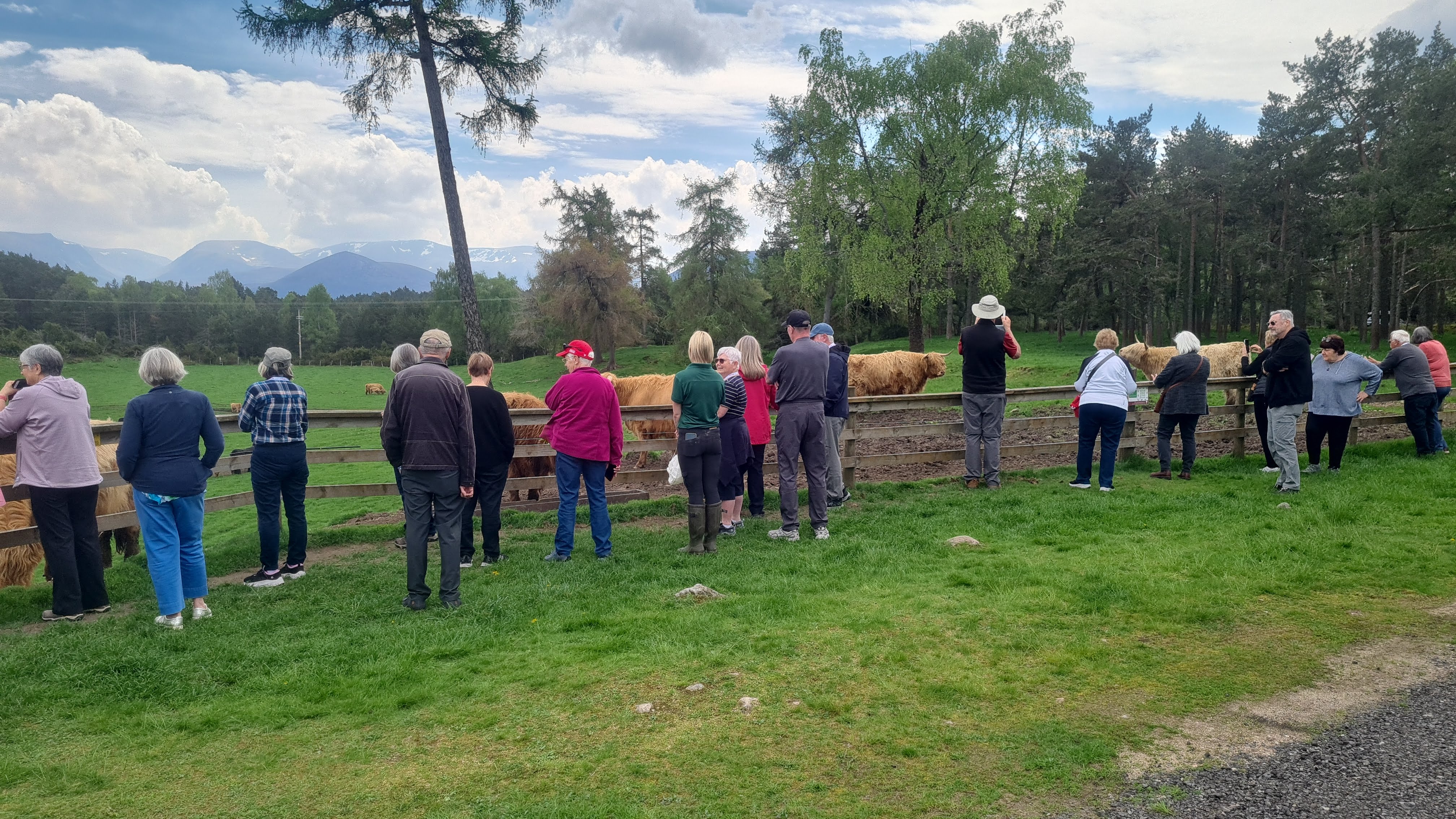
Tourism is one of the great strengths of the Highlands. As a professional tour guide, I see the joy our landscapes bring to people from across the world. As a councillor, I see the pressures those same visitor numbers place on our roads and local infrastructure. As someone who ran a village post office for 18 years, I understand exactly how fragile many small Highland businesses are, particularly those in the accommodation sector. And I know that our communities cannot thrive if tourism policy is shaped in Edinburgh without any understanding of the day-to-day realities of life in rural Scotland.
That is why the debate around the Highland Visitor Levy matters so much — and why I have taken a clear, consistent position from the very start.
The Highland Council’s original proposal for a percentage-based levy was never the right choice for our region. The consultation results confirmed what B&B owners, guest house operators, campsite managers, and holiday-let owners have been saying for months. The percentage model is complicated. It is confusing for visitors. It is also far too burdensome for operators who already navigate tight margins and growing regulatory pressures. Many Highland businesses operate below the VAT threshold. A system that risks pushing them over that threshold — just because they are collecting a levy on behalf of the Council — is fundamentally unfair.
Thousands of consultation responses raised these concerns. Packed meetings across the Highlands showed operators pleading for common sense. Yet, the SNP-led administration insisted that the Scottish Government would never allow a flat-rate model. They had to press ahead with a percentage-based scheme regardless. Well, they were wrong.
The Scottish Government has now confirmed it will introduce new legislation early next year allowing councils to adopt a flat-rate charge. This is precisely the change that I have been calling for over a year. The fact that it is happening now is welcome — but it should never have taken this long, and it should not have required so much pressure from Highland communities, tourism businesses and opposition councillors to force this U-turn.
But we must be honest: this still does not resolve the deeper issues.
First, we need clarity from HMRC. Accommodation providers must not be penalised by having levy payments counted as taxable revenue. No operator should be taxed for collecting a tax.
Second, we need a modern, fair, easy-to-use direct payment system. If visitors can pay a city tax directly to the authorities in Switzerland or Italy, they should be able to pay Highland Council without placing extra admin on the small B&Bs that form the backbone of our tourism economy.
Third, the Council must publish the full independent report from the Diffley Partnership — not a diluted seven-paragraph summary. Highland residents and businesses deserve transparency.
And finally, policy must properly reflect the pressures facing rural communities. Motorhomes parking overnight in laybys, coach tours making whistle-stop day trips from the Central Belt. They all contribute to congestion, infrastructure wear and environmental impact. Any levy that focuses solely on overnight accommodation misses a significant proportion of those who place the heaviest burden on rural services.
I am not opposed to a visitor levy in principle. In fact, a well-designed flat-rate system could bring real, lasting benefits. The Council’s own papers outline ways levy income could support roads, paths, ranger services, public toilets, car parks, cultural projects, environmental protection and community-led initiatives. These are things I have been fighting for throughout my time as a Highland councillor and community activist.
But the Highlands deserve a levy that is fair, simple, transparent, and locally appropriate — and one that strengthens, rather than undermines, the small businesses that keep our communities alive.
Tourism should enhance our communities — not overwhelm them. I will continue working to ensure any future levy delivers for Highland people. Tourism should enhance our communities — not overwhelm them.